OIL is the lifeblood of your vehicle. It keeps the engine cool and prevents friction and wear on the engine's essential and valuable components. By using the right oil, you can extend the life of your engine and may even reduce fuel consumption.
To help you choose the right engine oil, we have explained below the technical terms commonly found on oil labels.
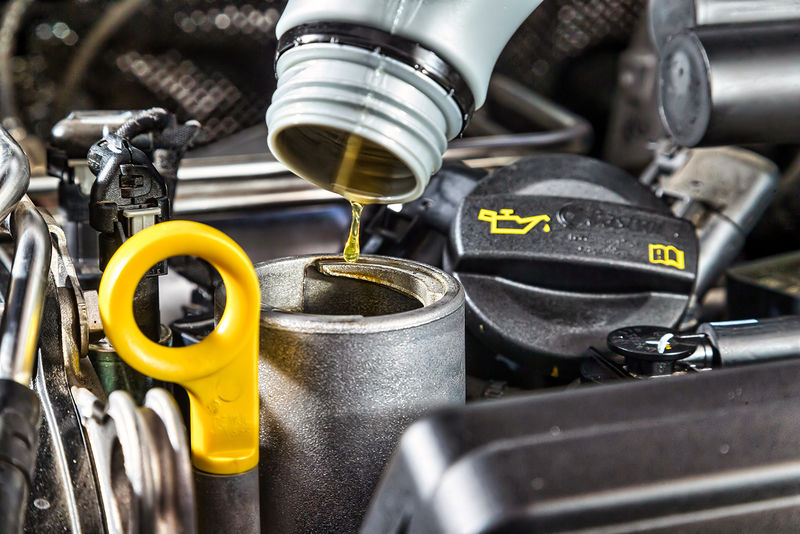
Often, a manufacturer recommends two or more different engine oil viscosities, such as 5W-20 or 5W-30, depending on various factors – for example, temperature. This is because engines often require different viscosities under different operating conditions. Choosing the right oil becomes easier when you understand how viscosity is classified.
SAE Viscosity Classification
Engine oil viscosity is defined according to SAE standards. There are single-grade and multigrade oils. Today, single-grade oils are not commonly used. Multigrade oils have a wider viscosity range and can be identified by the two-part designations on their labels, such as 10W-30. The letter W indicates winter use, and the number before it indicates the classification achieved in cold-start tests. The lower the number, the thinner the oil, and the thinner the oil, the better it flows at low temperatures. 10W means that the oil has a viscosity grade of 10 under cold conditions.
Oil is tested at specific temperatures and classified according to its properties:
- 0W-rated oil provides reliable lubrication down to -30°C
- 5W down to -25°C
- 10W down to -20°C
- 15W down to -15°C
- 20W down to -10°C
- 25W down to -5°C
The numbers after the letter W indicate the oil's viscosity measured at 100°C. Therefore, oil with a 10W-30 classification has a viscosity grade of 10 at low temperatures and does not become thinner than grade 30 when heated. In other words, 10W-30 oil provides lubrication like a grade 10 oil at -20°C and like a grade 30 oil at 100°C.
Multigrade oils allow an engine to operate under a wide range of conditions and temperatures: at low temperatures, the lower-viscosity oil flows more quickly, reducing dry running and engine wear, while maintaining its properties at higher temperatures and providing the engine with adequate lubrication and protection.
However, an oil with the widest viscosity range is not necessarily always the best choice. It is recommended to use oils with a viscosity range appropriate for the temperatures in which the vehicle is most likely to be operated.
Types of Oil
Mineral oil: This oil is produced from crude oil.
Synthetic oil: This oil does not contain mineral oil and is often the most expensive option because it performs well across a wide range of temperatures and operating conditions.
Semi-synthetic oil: This oil is a blend of synthetic and mineral oil. Engines that require this type of oil cannot use mineral oil alone, but they may benefit from switching to fully synthetic oil.
European ACEA Classification

This is the European equivalent of the API classification. The letter indicates the category to which the oil belongs: A/B = engine oils for passenger cars and light commercial vehicles, C = engine oils suitable for vehicles equipped with catalytic converters and particulate filters, and E = engine oils for heavy-duty diesel engines. The categories are further divided into groups numbered from 1 to 9.
It is recommended that you use an ACEA-classified oil with the viscosity specified by the engine manufacturer. Using the correct oil recommended by the manufacturer also helps ensure that you remain within the terms of any applicable warranty.
You are welcome to choose the right engine oil from our extensive range of XADO products. XADO oils are manufactured in the Netherlands and meet the requirements of SAE, API and ACEA standards.
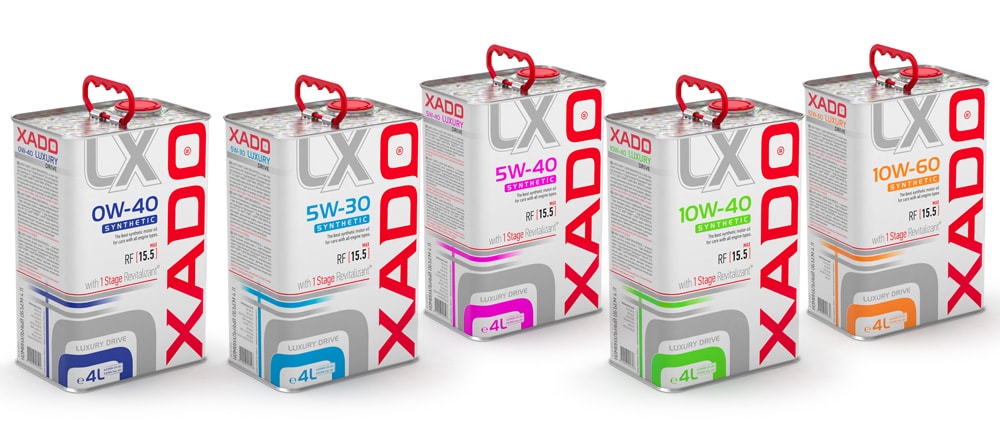
If you are still unsure which engine oil you need, please feel free to contact us. We will find the right oil for your vehicle based on its manufacturer, model and year of manufacture: [email protected]